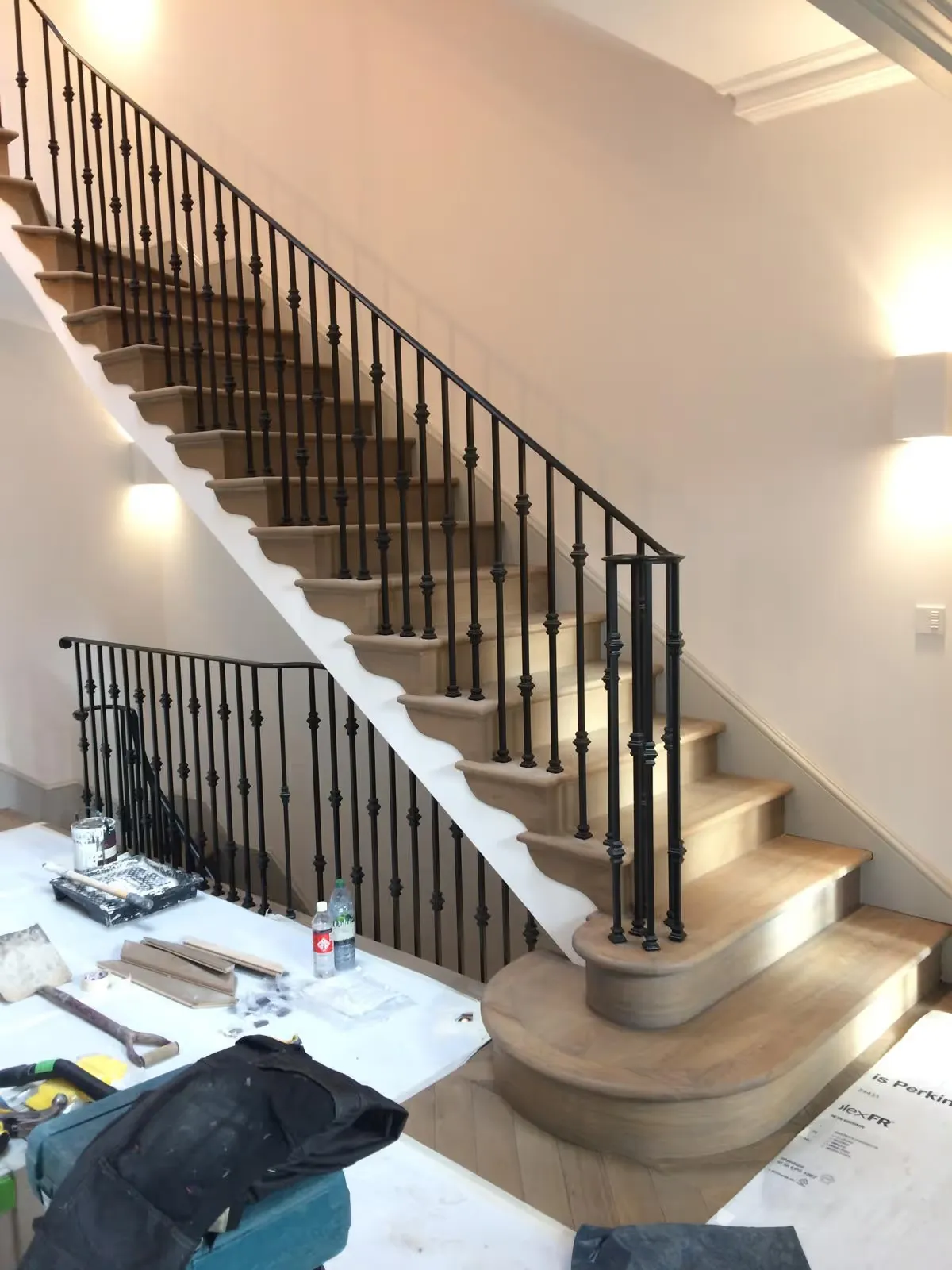
Sanding and refinishing that brings wood back to life
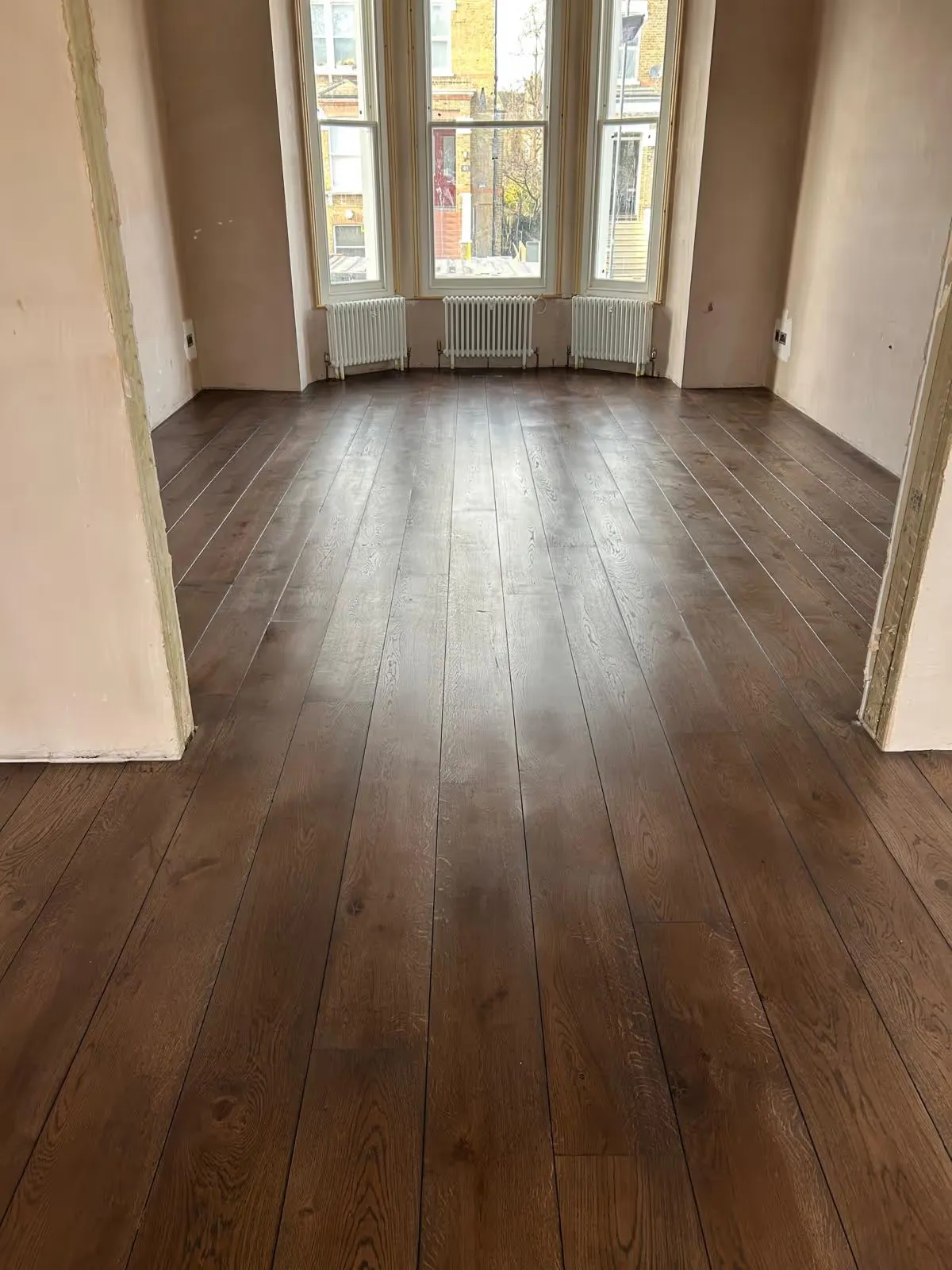
A tired, scratched or grey floor can often be brought back to new without replacing a single board. Most solid and good engineered floors can be sanded several times over their life.
I sand floors flat with professional machines, repair what needs repairing and finish them with the oil, stain or lacquer that suits how you use the room.
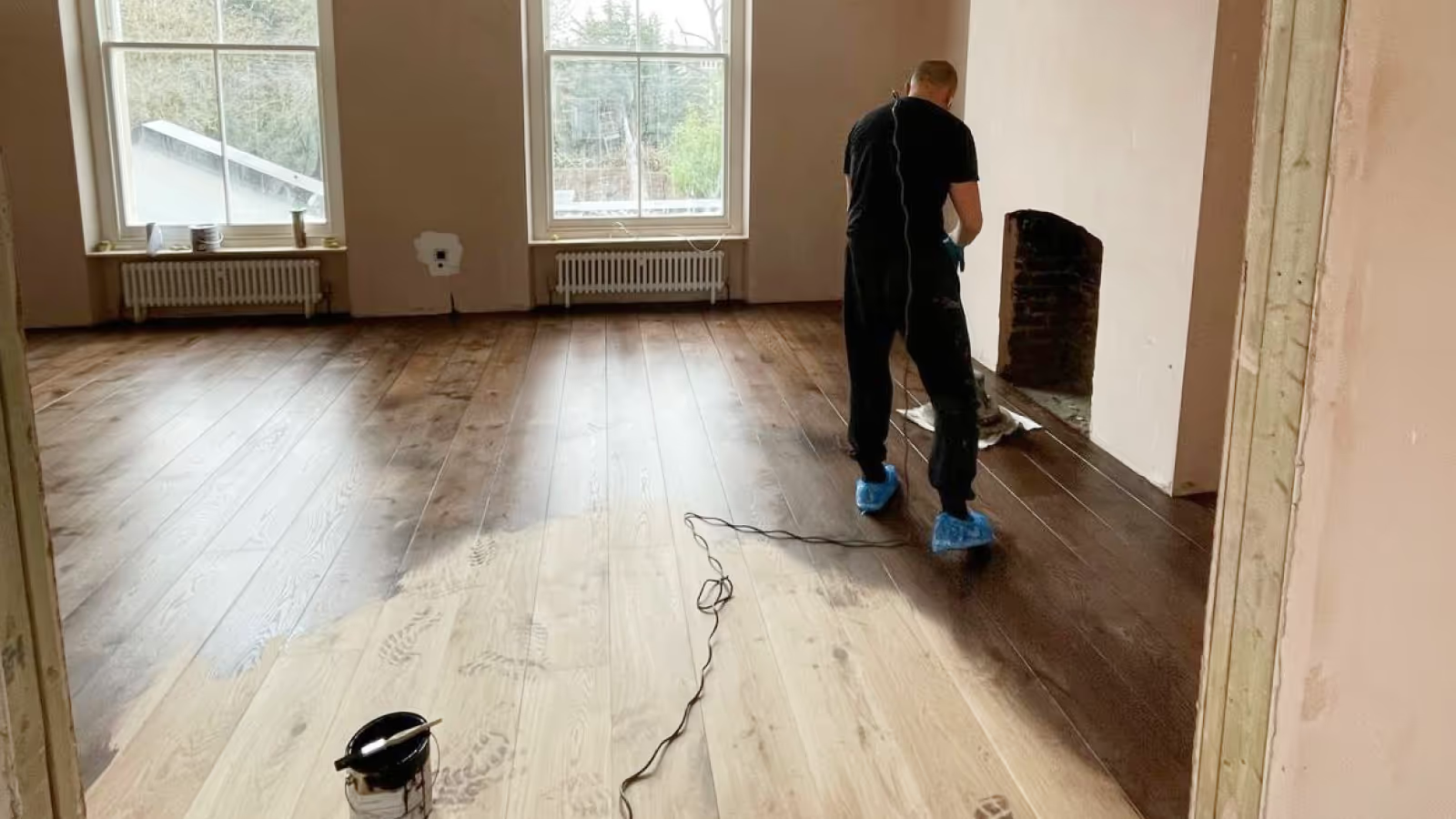
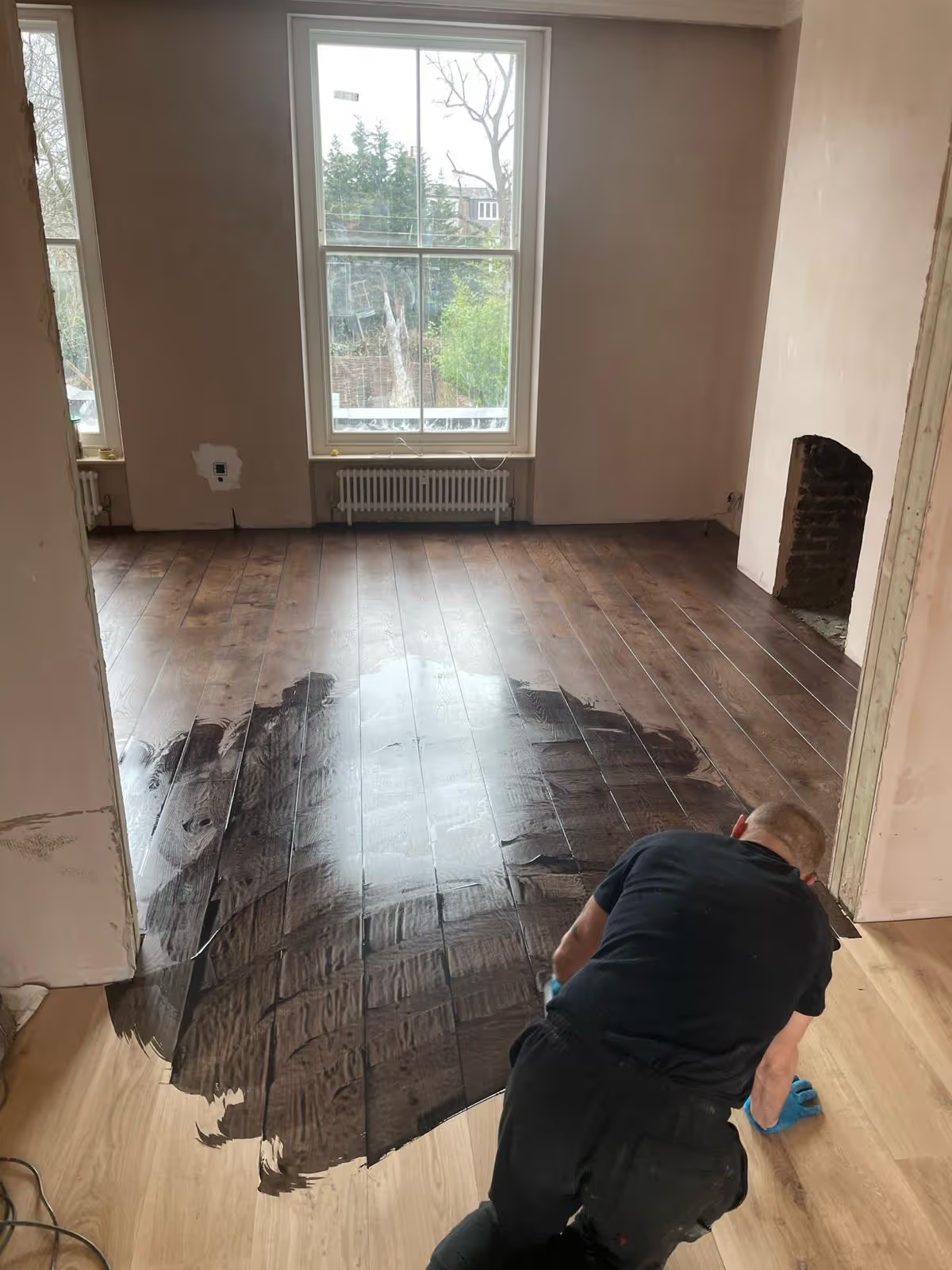
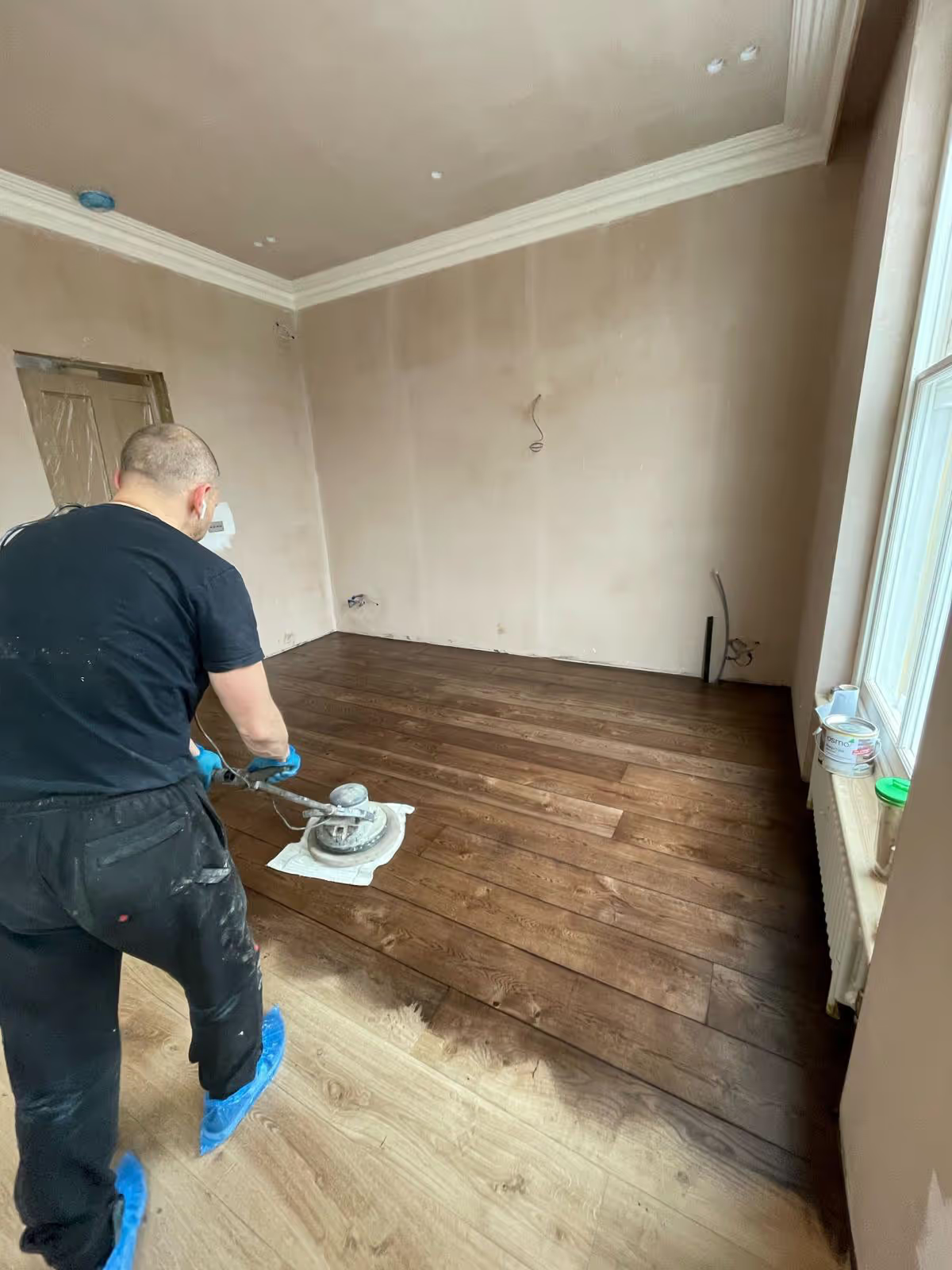
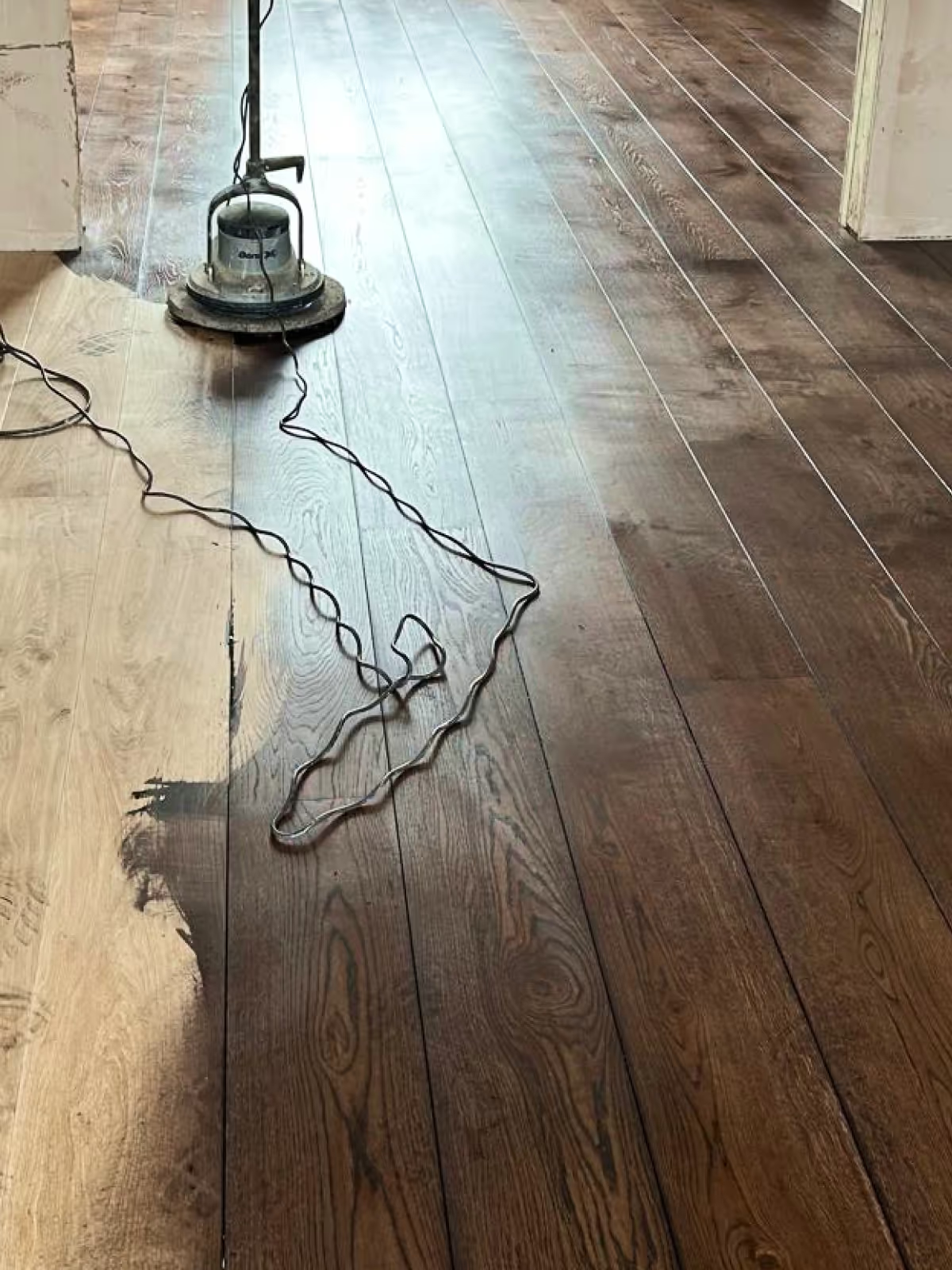
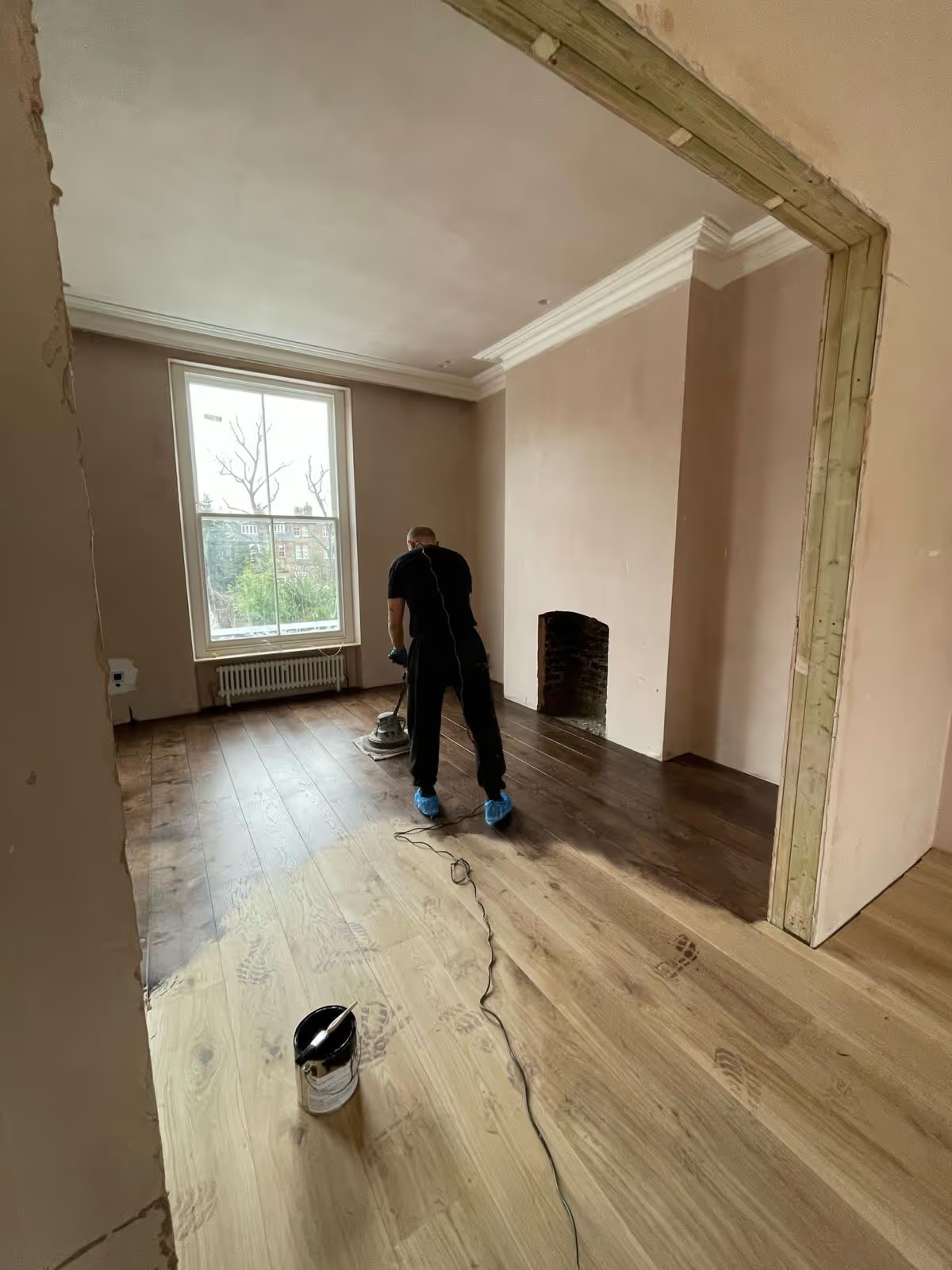
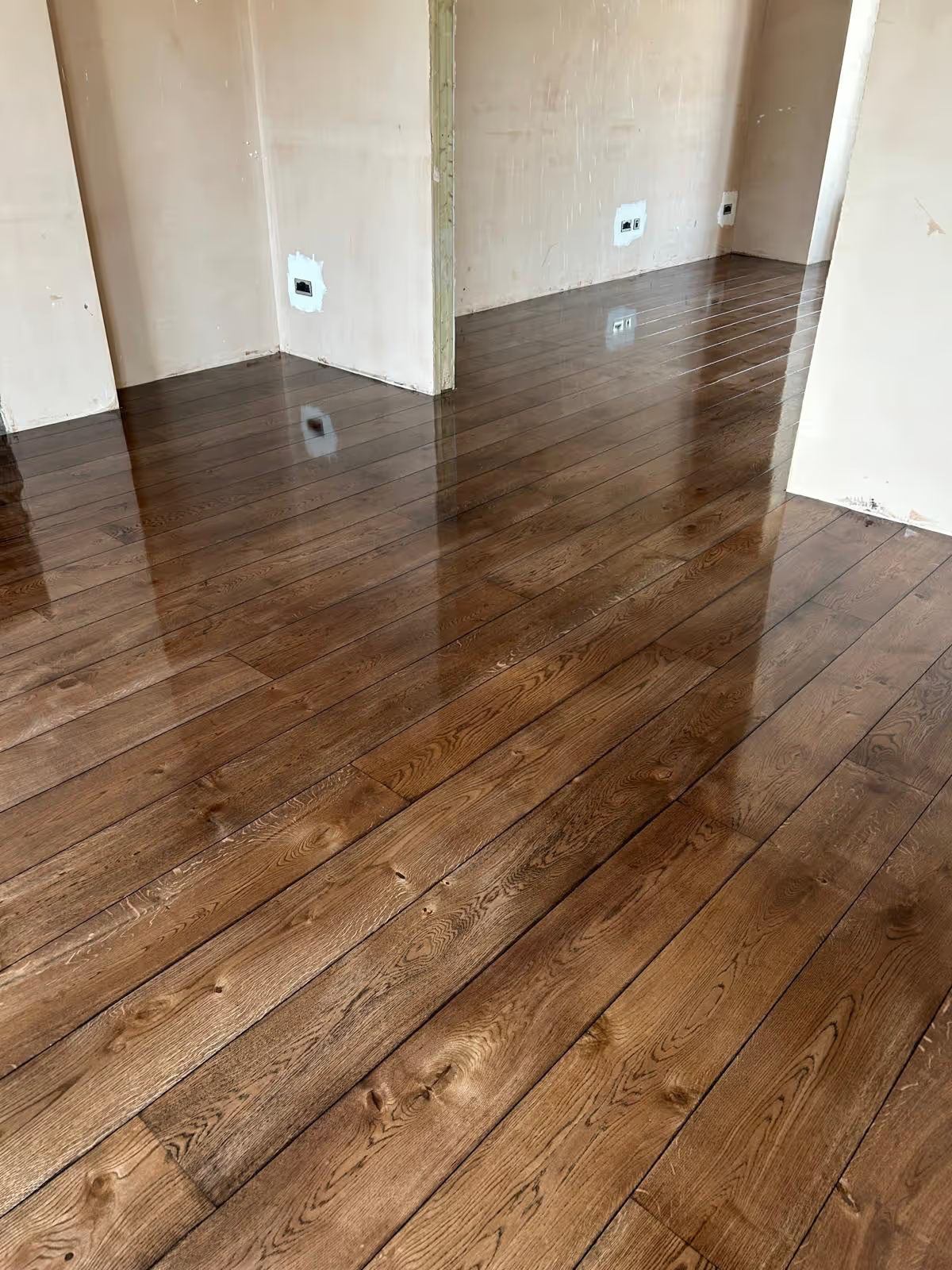
How I refinish a wood floor
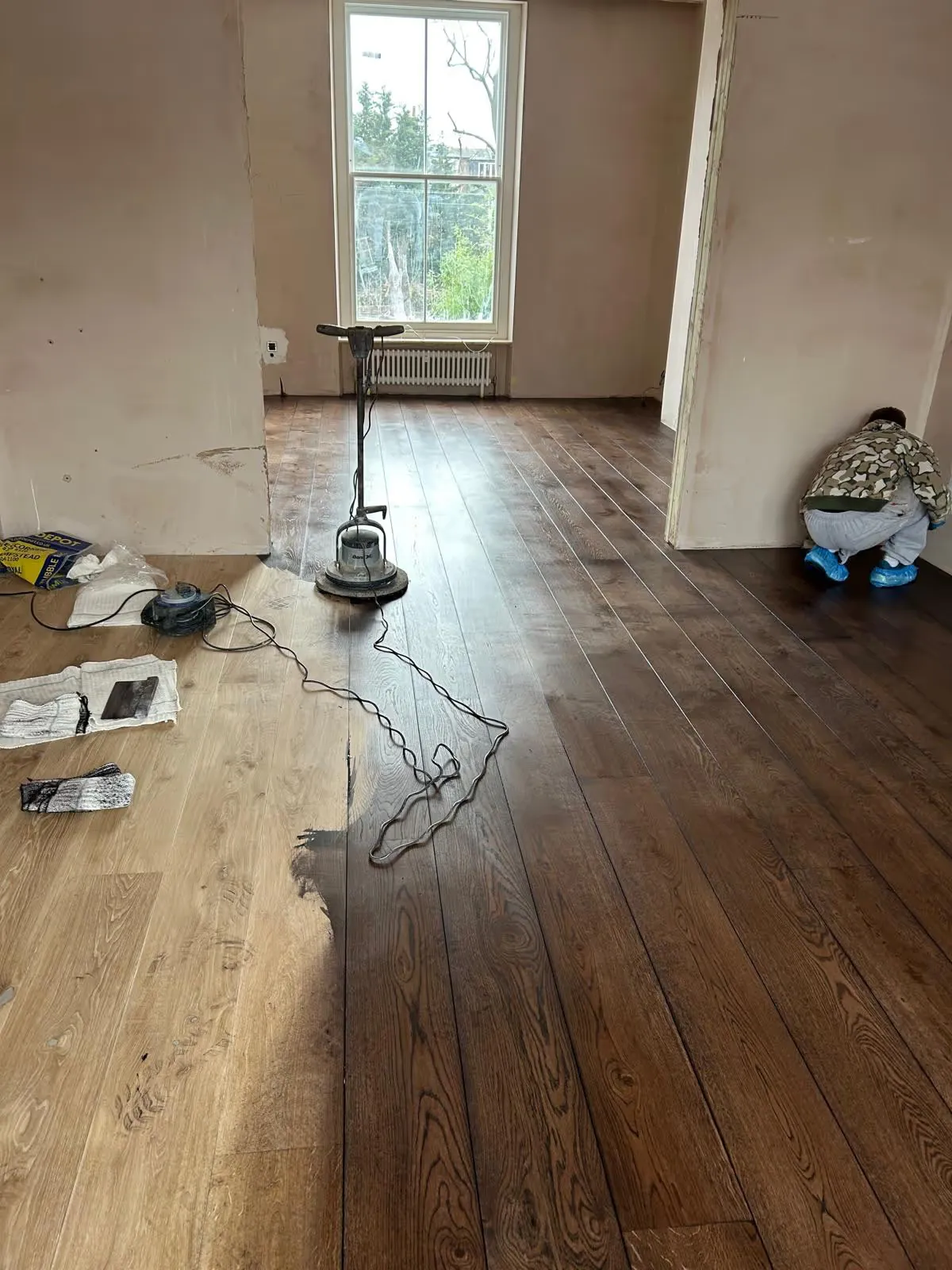
I check the wood, its thickness and any damage, and show you the finish options and colour samples.
Loose boards are fixed, gaps filled and damaged pieces replaced before sanding starts.
Several passes with progressively finer grits leave the surface flat and smooth, with dust extraction throughout.
Stain if required, then oil, hardwax oil or lacquer – in as many coats as the floor needs.
Finishes I offer
– each one protects differently and changes the look of the wood.
Natural oil
Soaks into the wood for a warm, matt, natural look. Easy to refresh in worn areas.
Hardwax oil
Oil with a wax top layer – more protection with the same natural feel.
Lacquer
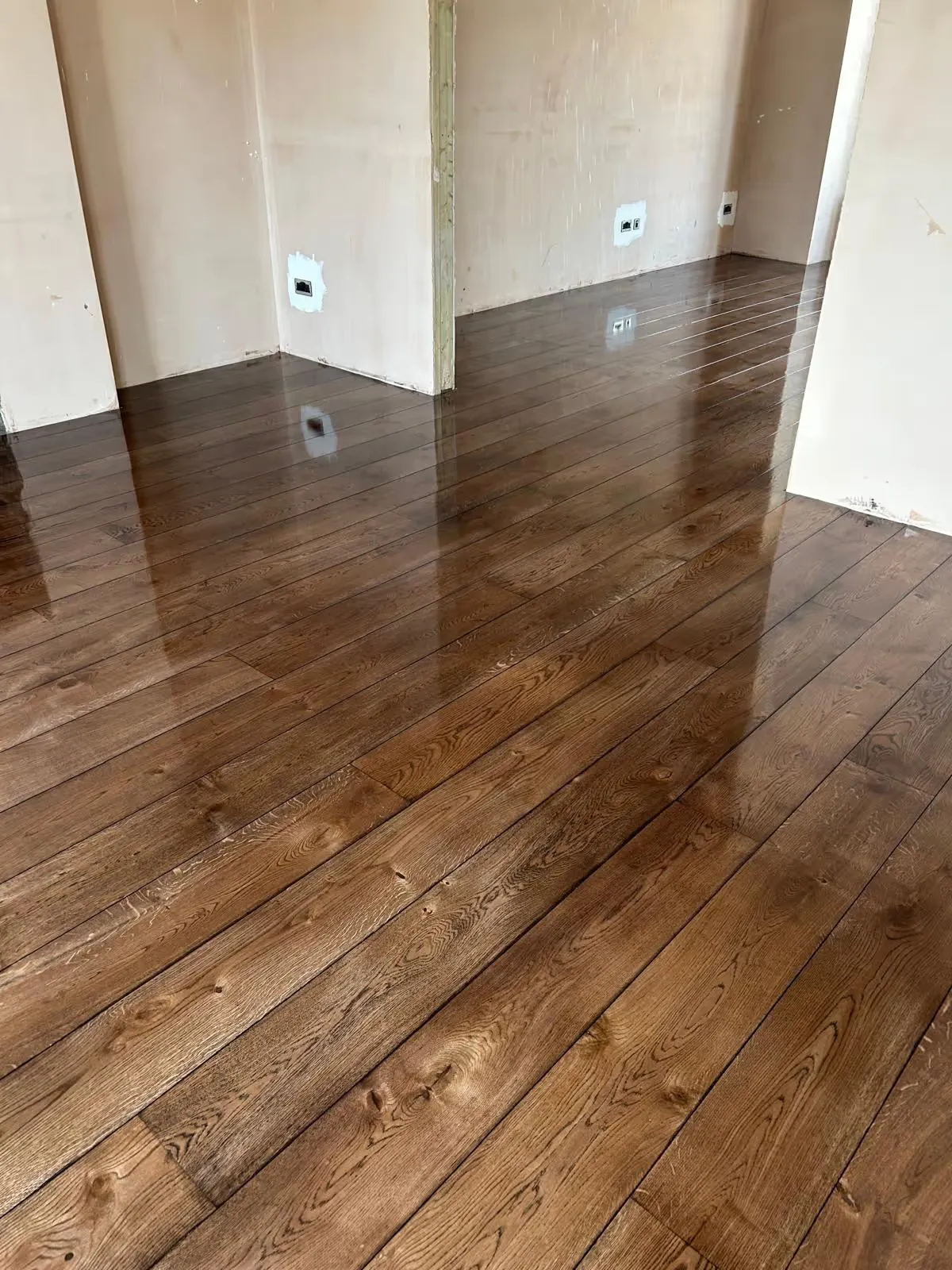
Matt, satin or gloss film that stands up to heavy traffic, children and pets.
Staining
From white-washed Scandinavian tones to deep walnut and almost black.
Gap filling & repairs
Filling gaps, replacing damaged boards and re-gluing loose parquet blocks.
Bringing an old floor back
Sand, repair or replace?
Most floors that look worn only need sanding and a new finish. Deep damage, water marks or loose boards can usually be repaired locally. Replacement only makes sense when the wood is too thin, rotten or badly damaged – and I’ll tell you honestly which one your floor needs.
Choosing the finish
The right finish depends on how you use the room. Oil gives a natural look and is easy to touch up – ideal for living rooms and bedrooms. Lacquer forms a protective film that copes with busy hallways, kitchens, kids and pets. Hardwax oil sits in between.
Colour
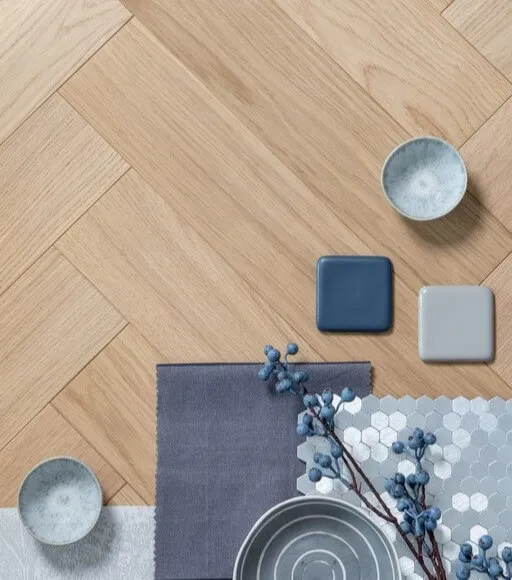
Sanding takes the floor back to bare wood, so it’s the perfect moment to change its colour. I’ll test samples on your own floor, because the same stain looks different on every piece of oak.
After the work
You’ll get simple care instructions for your finish – which cleaning products to use, how to protect the floor from furniture and when to refresh an oiled surface – so it stays beautiful for years.
Frequently asked questions
How many times can a floor be sanded?
Solid wood floors can usually be sanded many times. Engineered floors depend on the thickness of the top layer – thicker wear layers can be sanded several times.
Is floor sanding dusty?
Modern sanding machines with dust extraction keep dust to a minimum. I also protect doors and openings before starting.
How long before I can walk on the floor?
It depends on the finish. Many oils and lacquers allow light foot traffic within a day; full curing takes longer. I’ll give you clear instructions for your floor.
Can you change the colour of my floor?
Yes – once the floor is sanded back to bare wood it can be stained lighter or darker before the protective finish is applied.
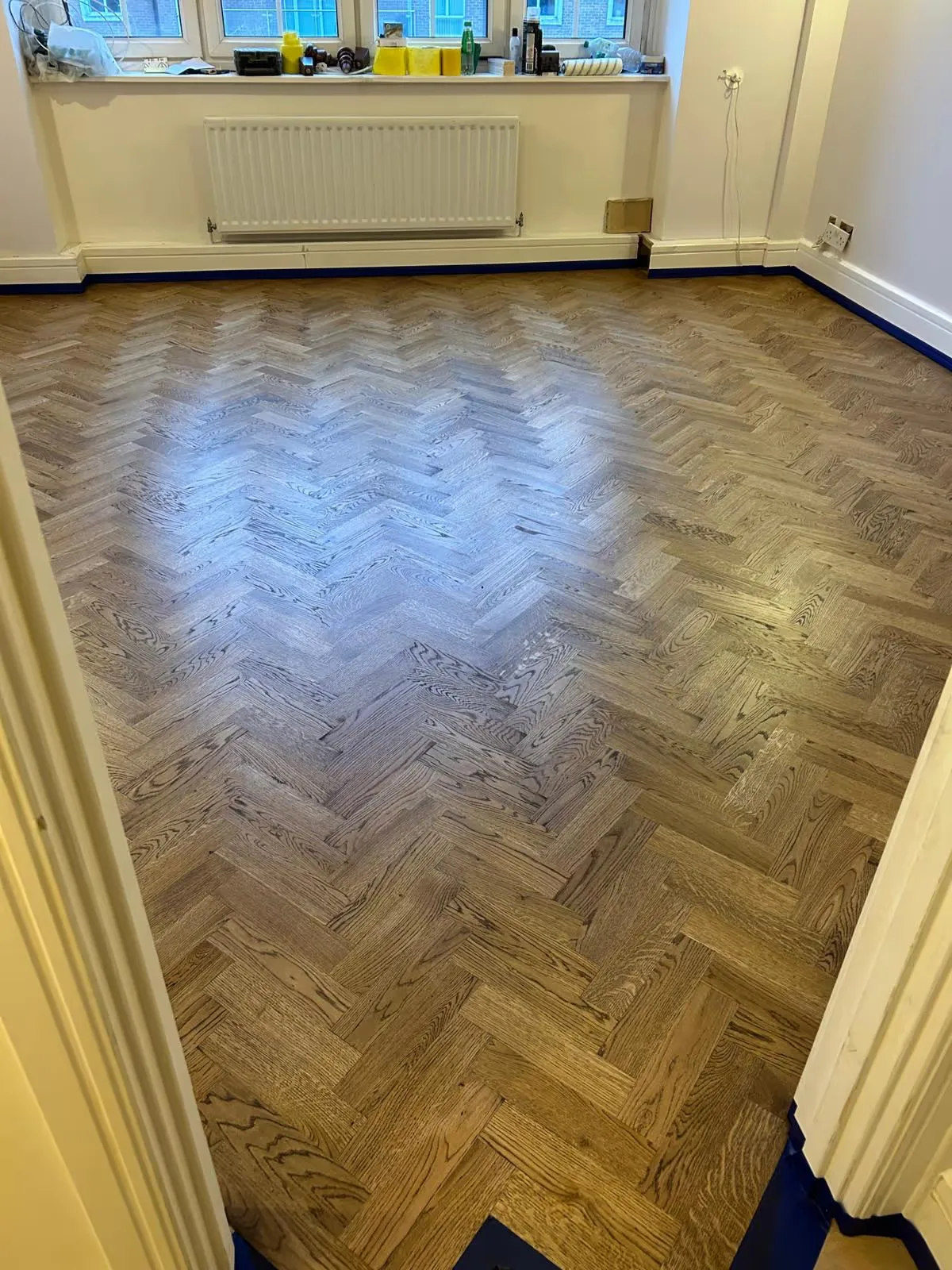
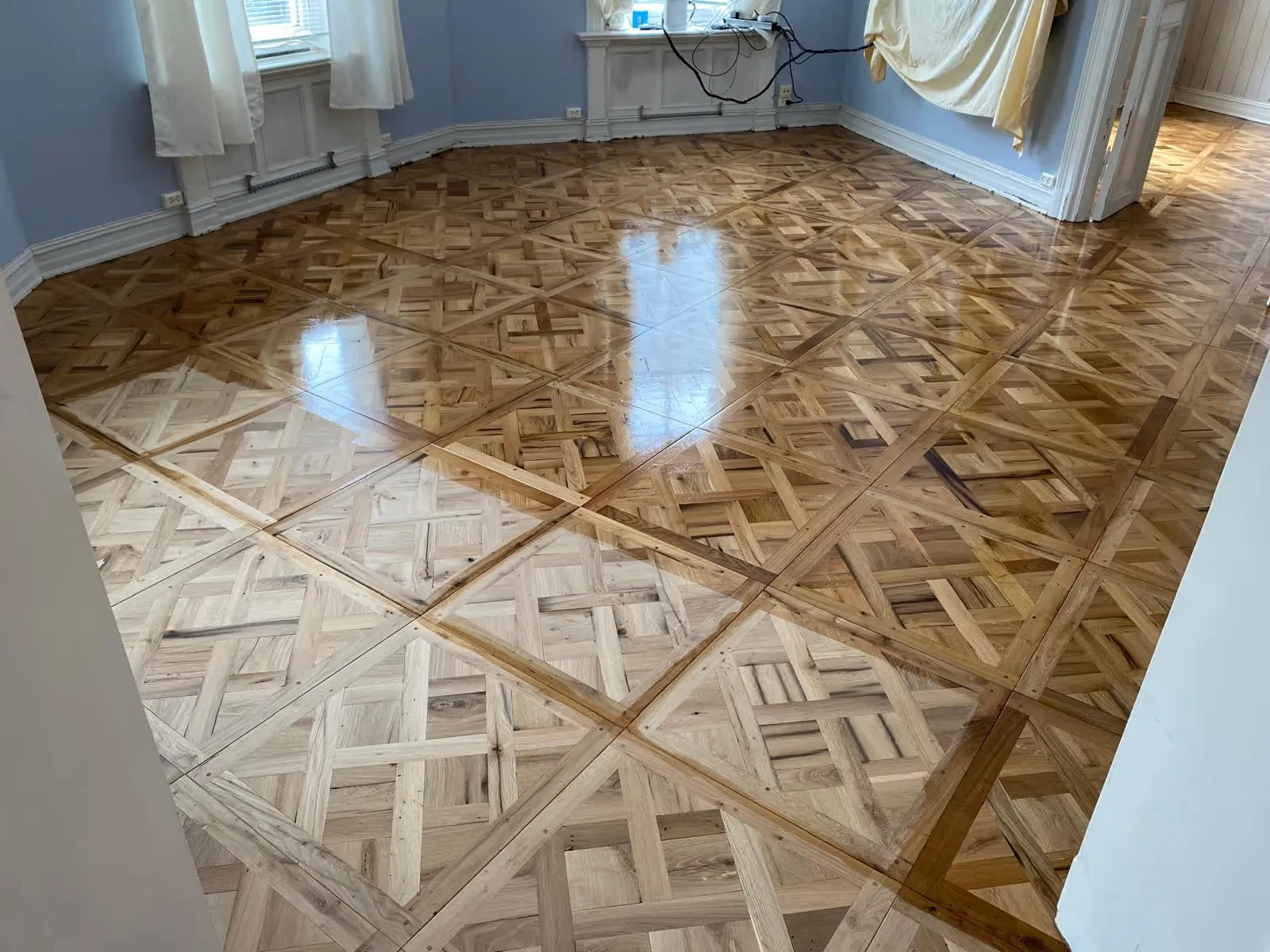
Can parquet and herringbone be sanded?
Yes. I re-glue any loose blocks first and sand carefully across the pattern for a flat, even surface.