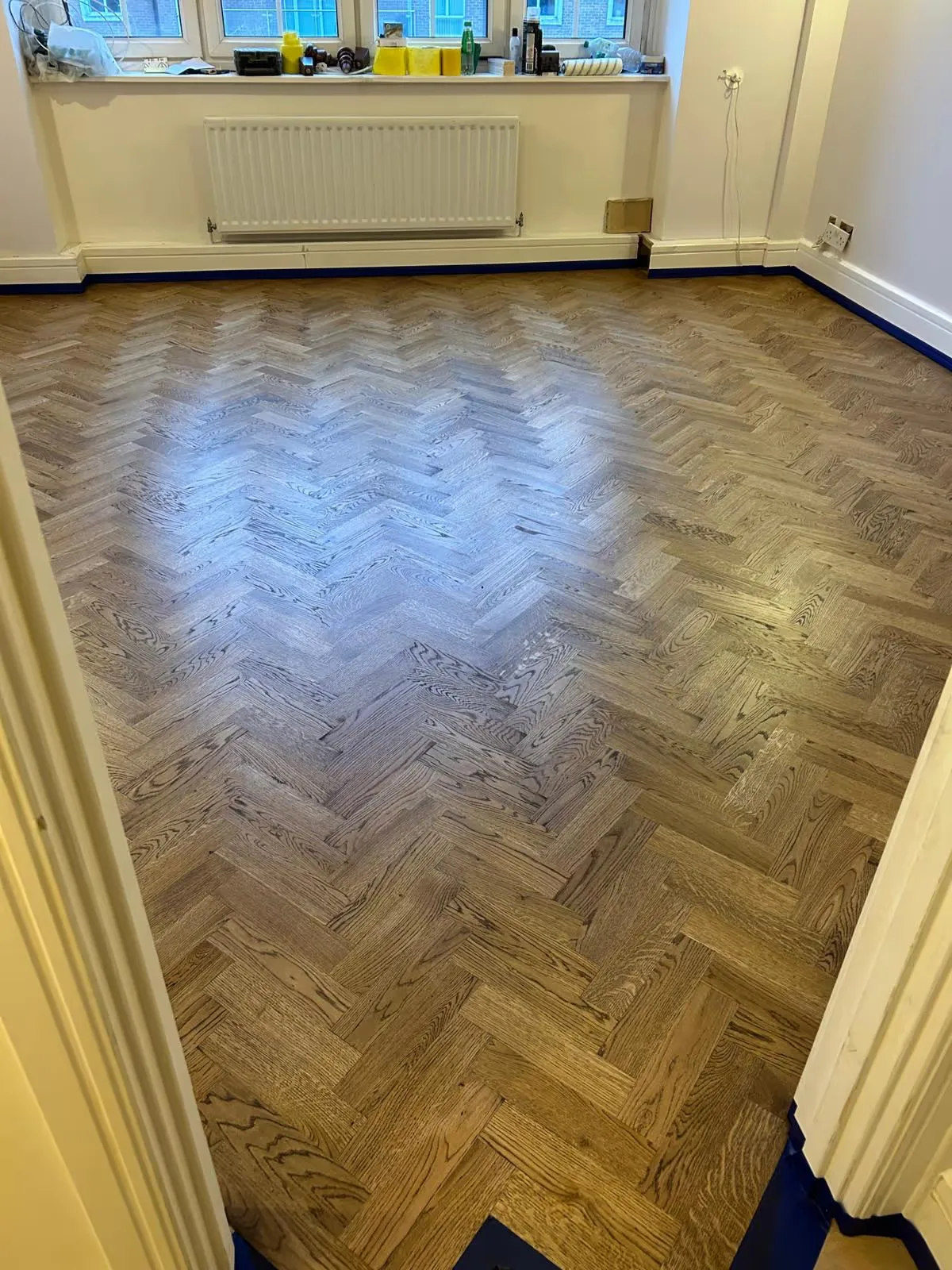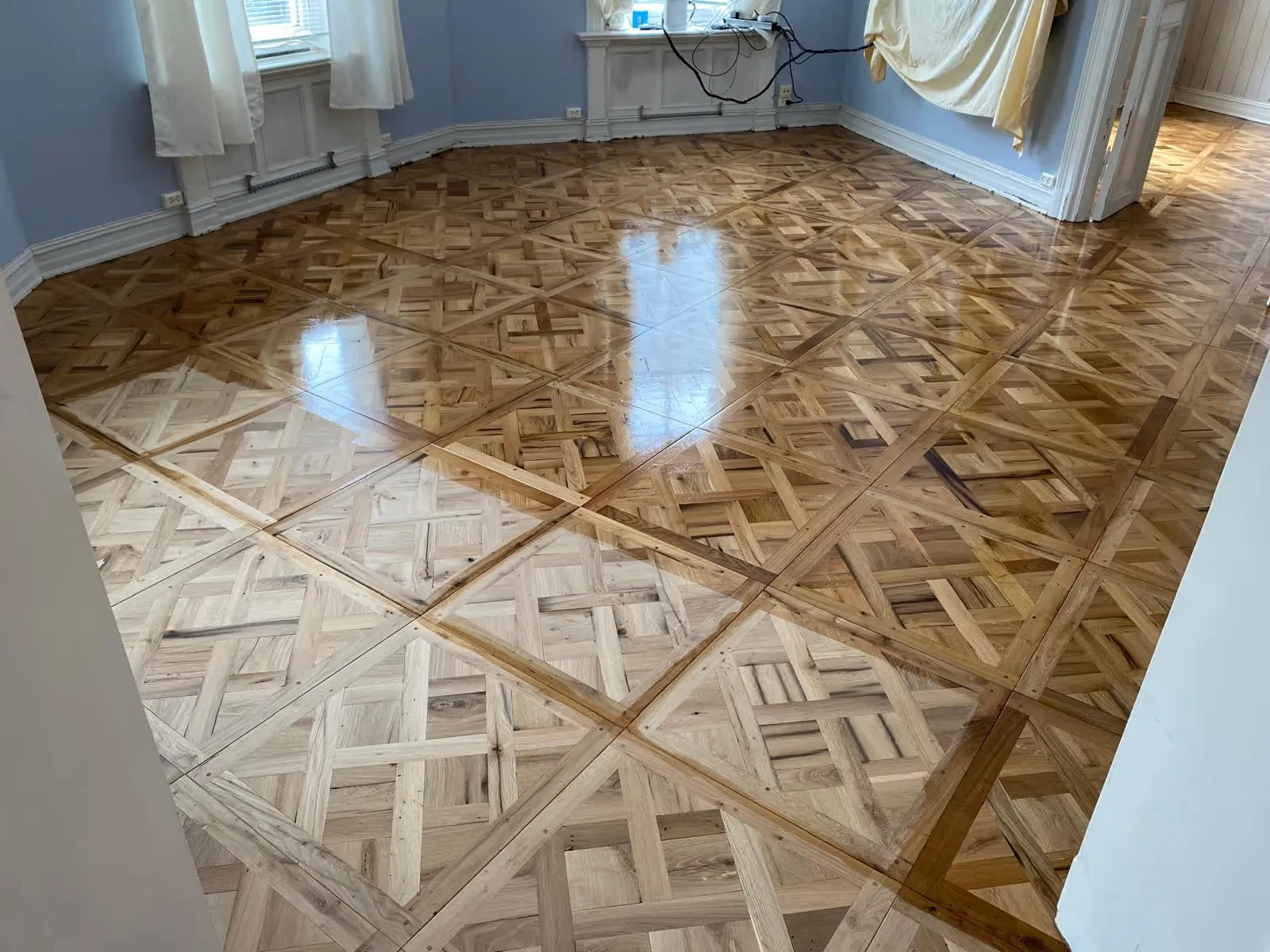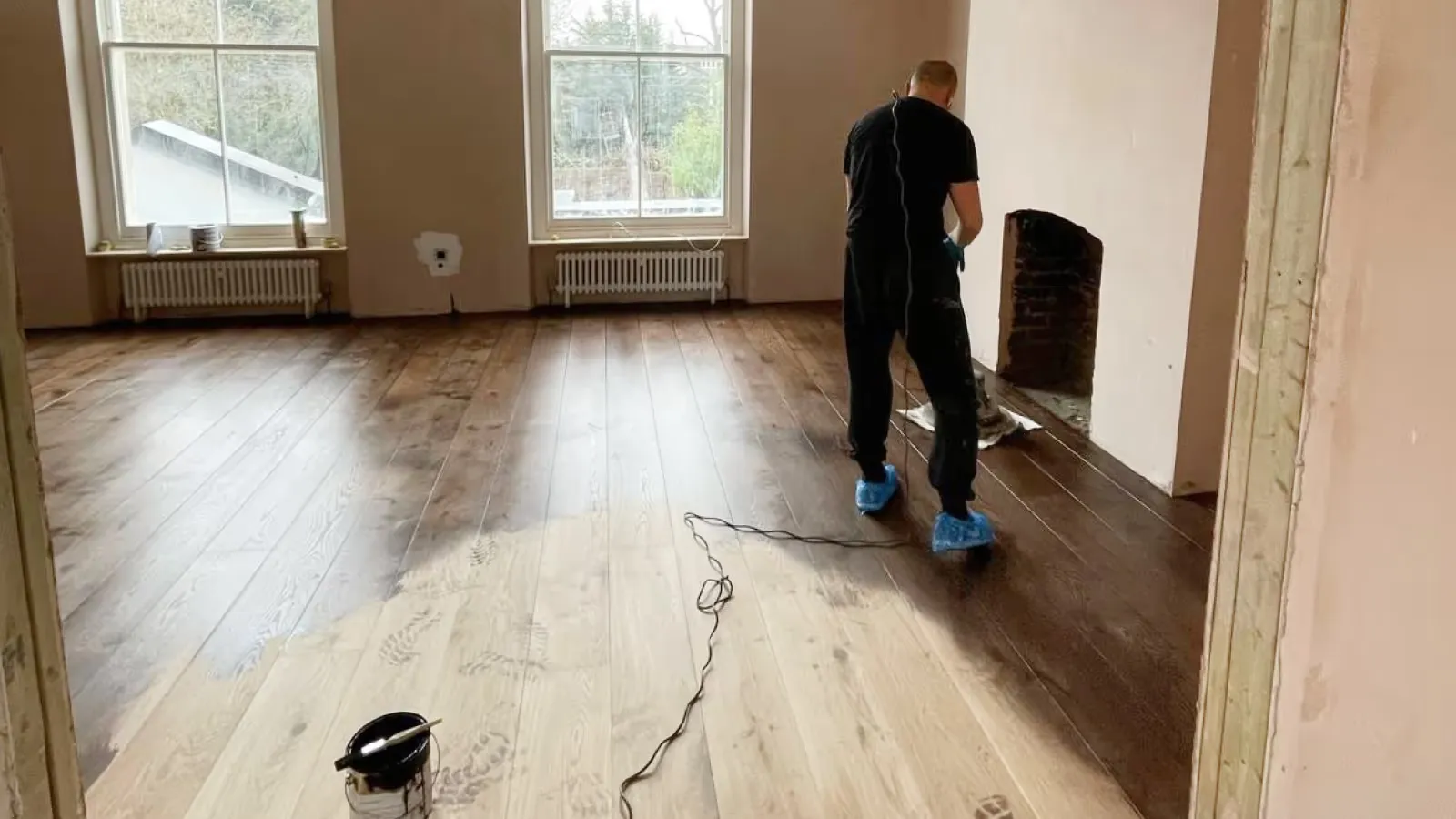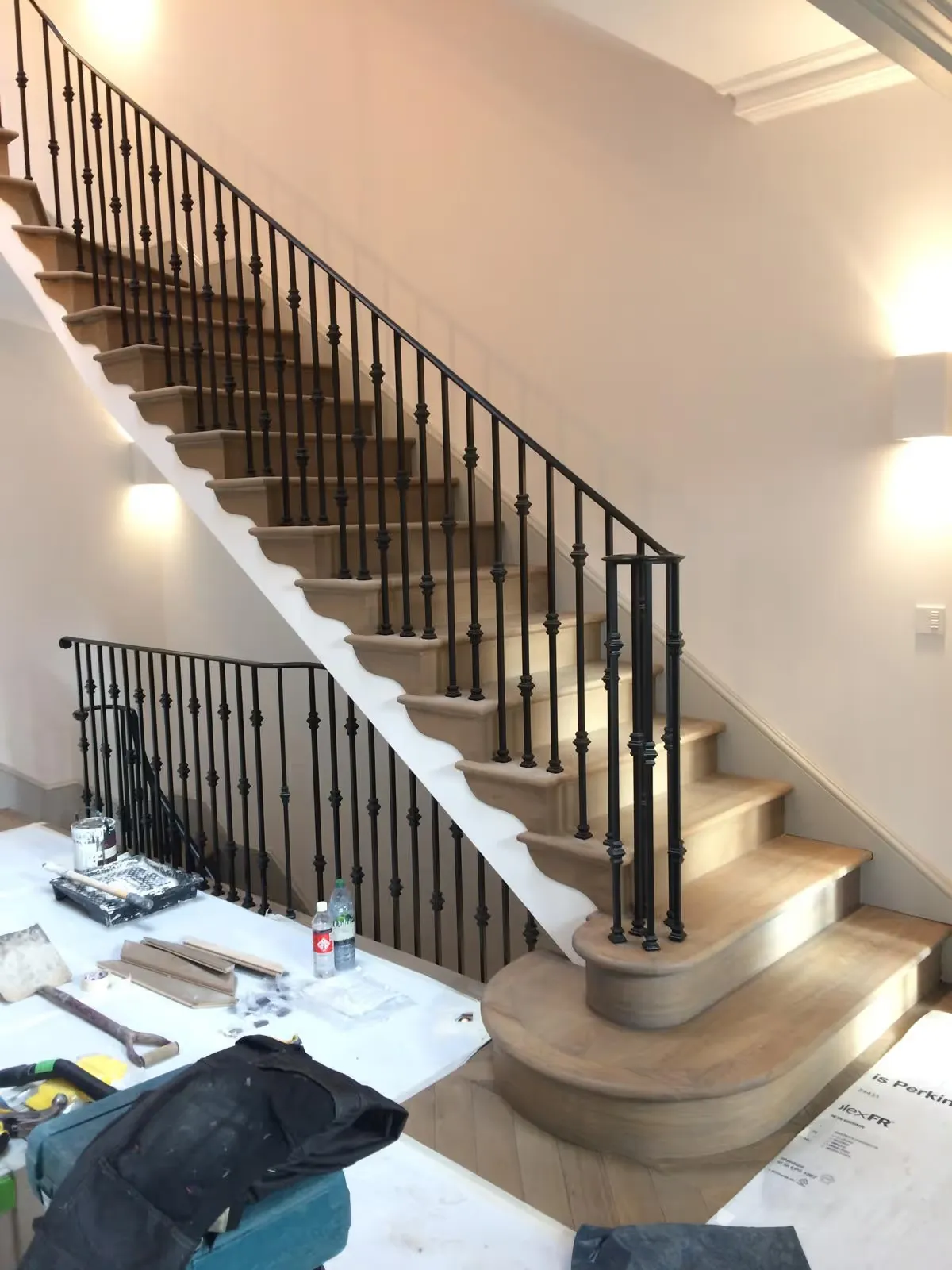
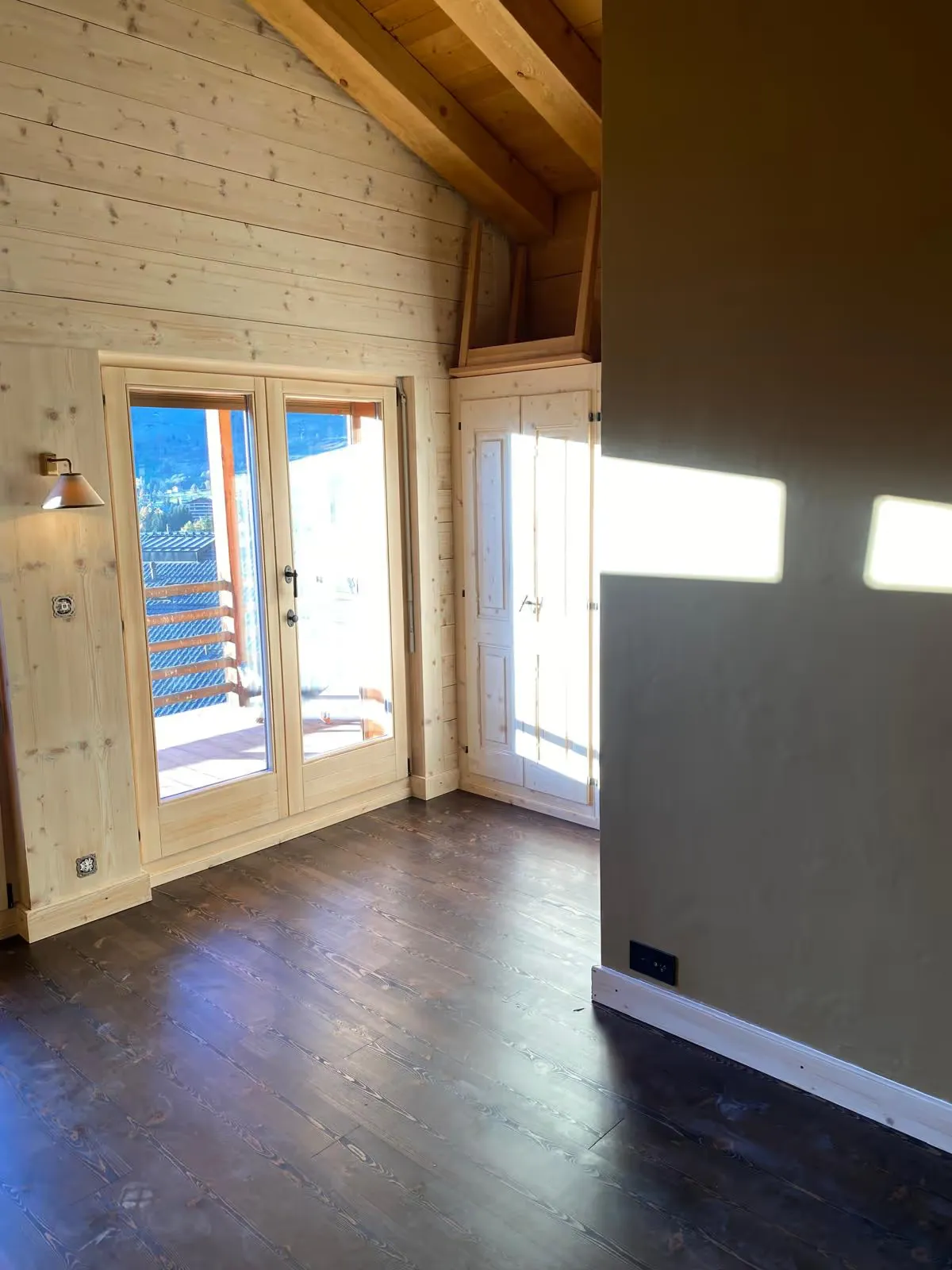
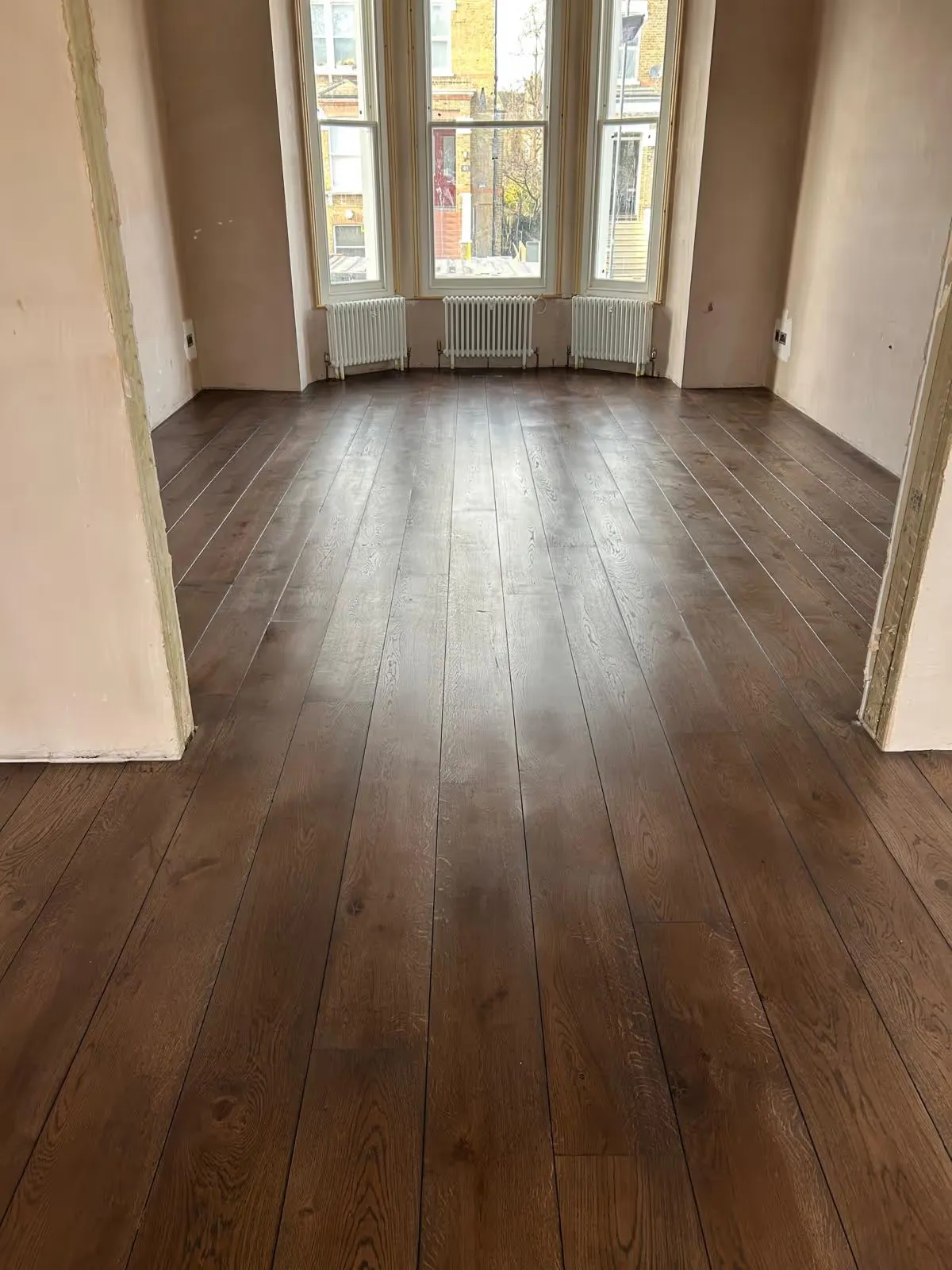
Wide plank floors that feel solid underfoot
Wide, long boards are the simplest way to make a room feel bigger and calmer – fewer joints, more of the natural grain.
I fit solid and engineered oak planks on timber or concrete subfloors, glued down or floating on the right underlay, with clean thresholds and properly undercut doors.
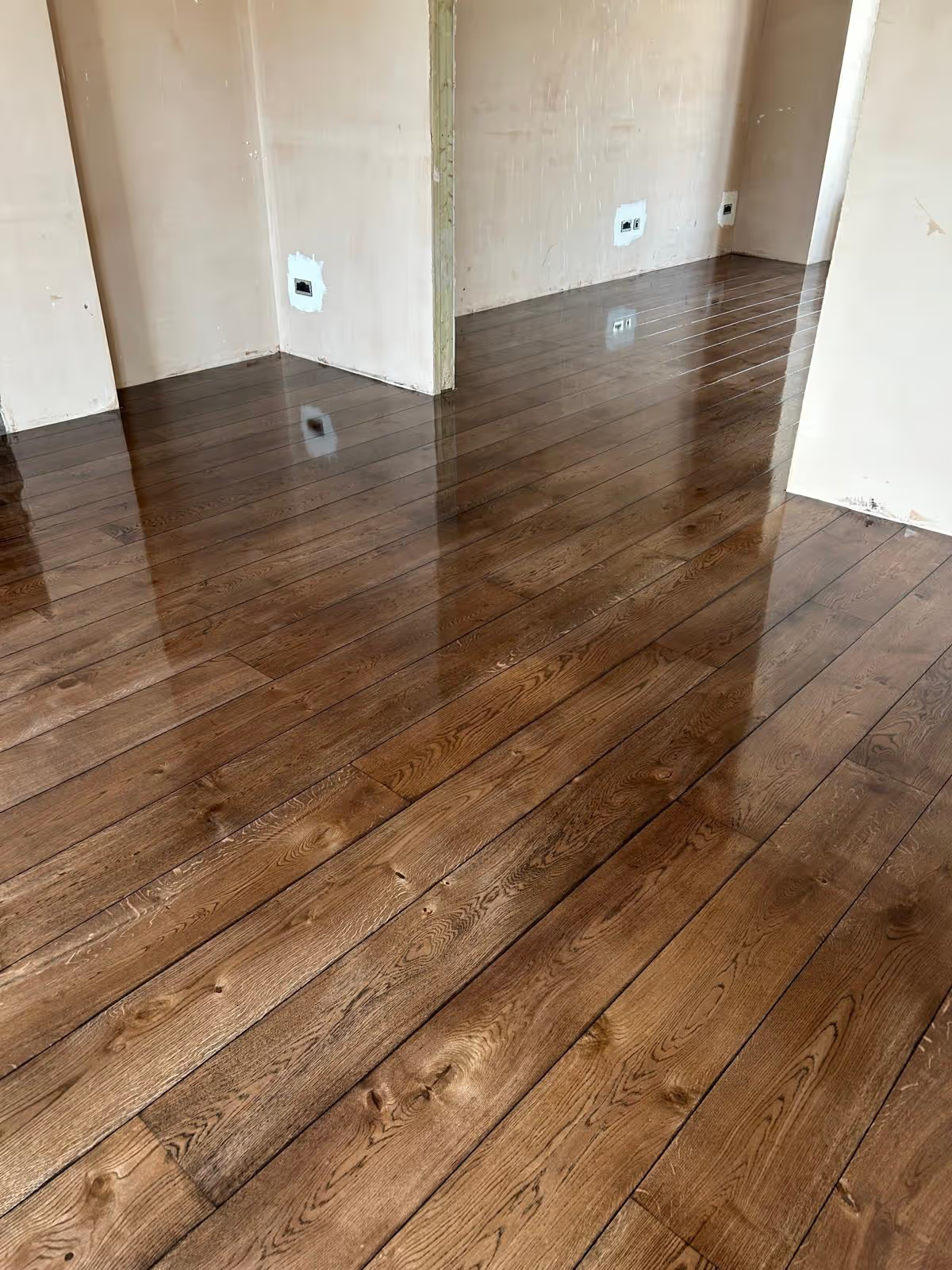
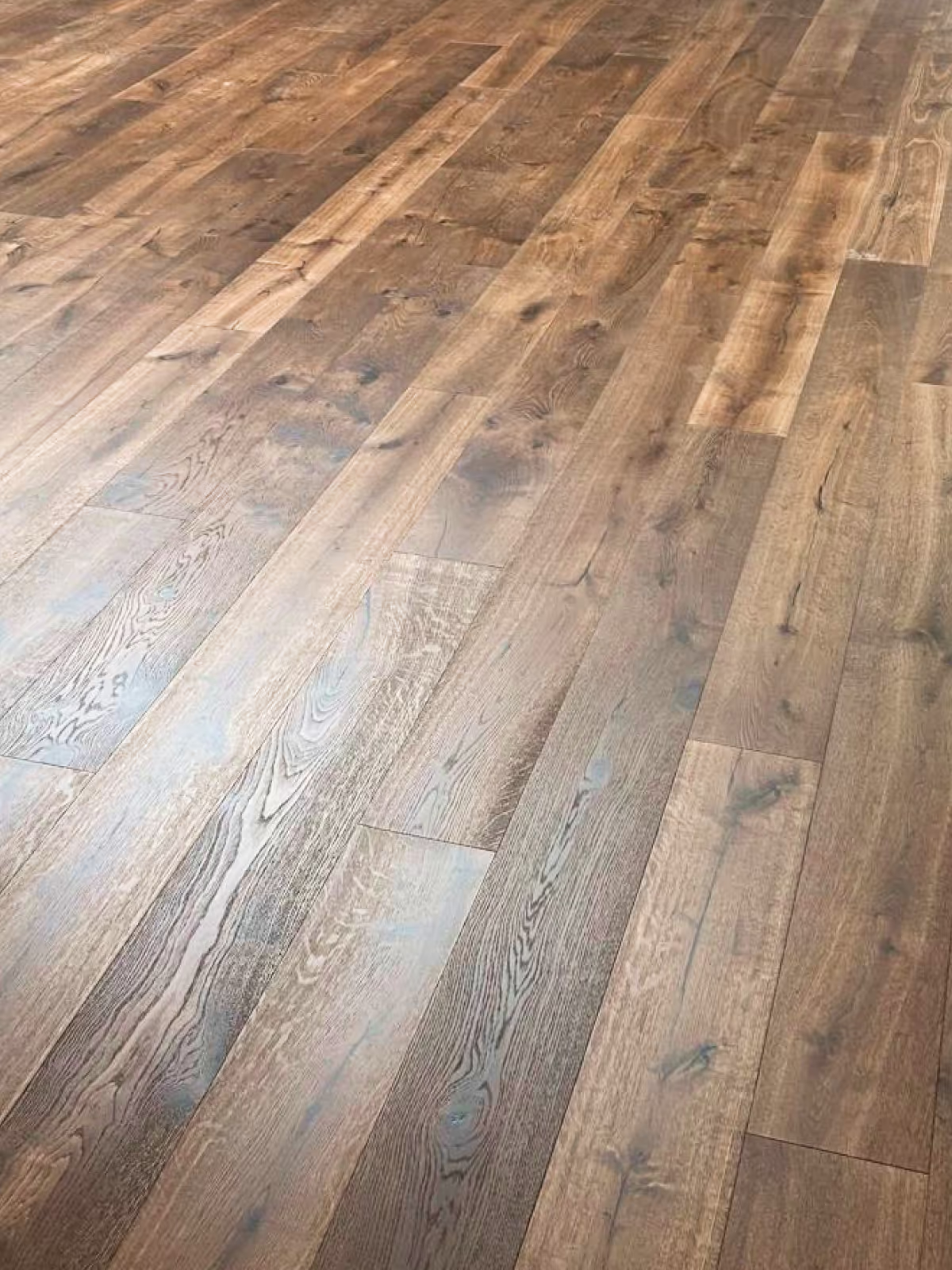
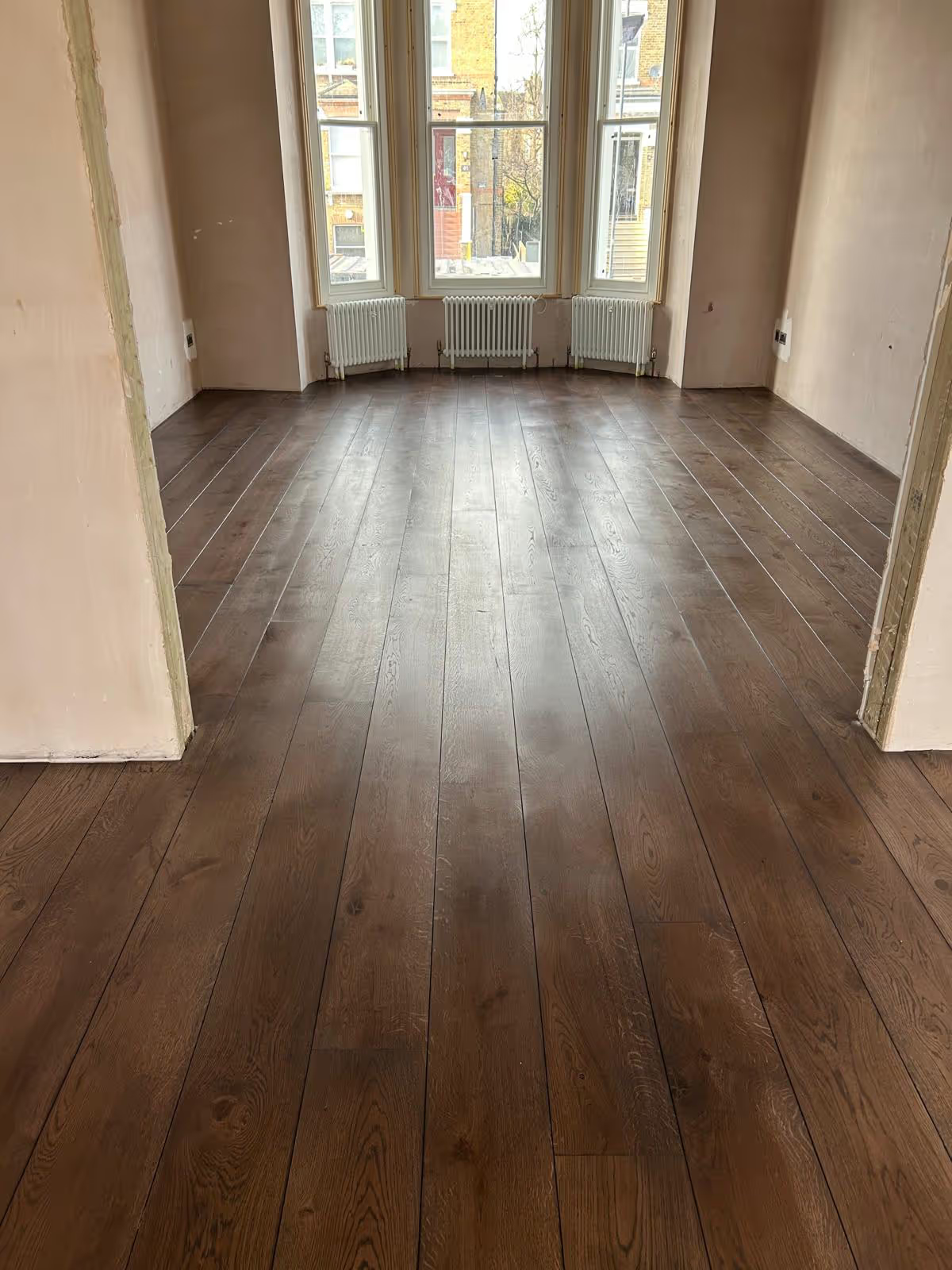
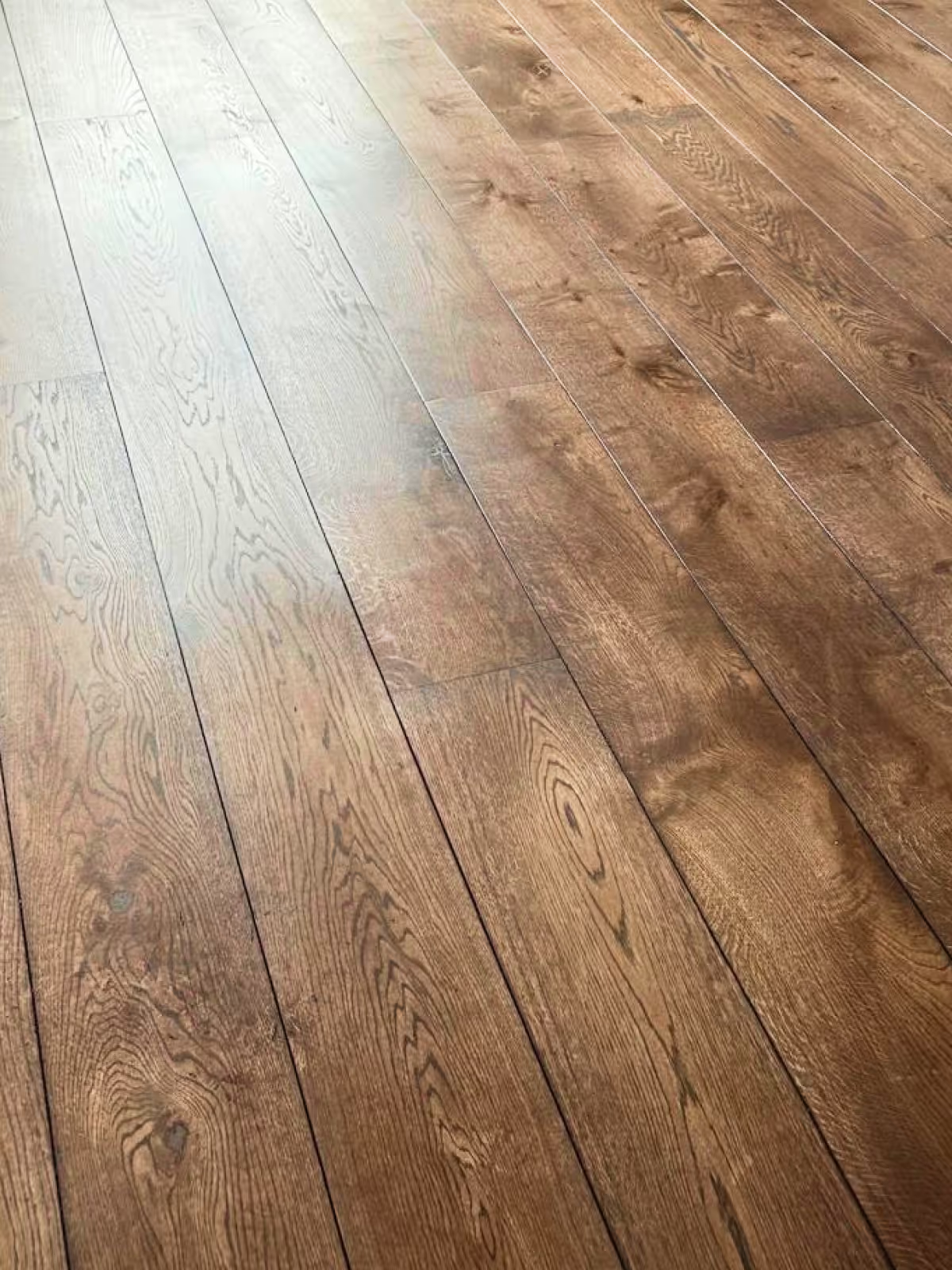
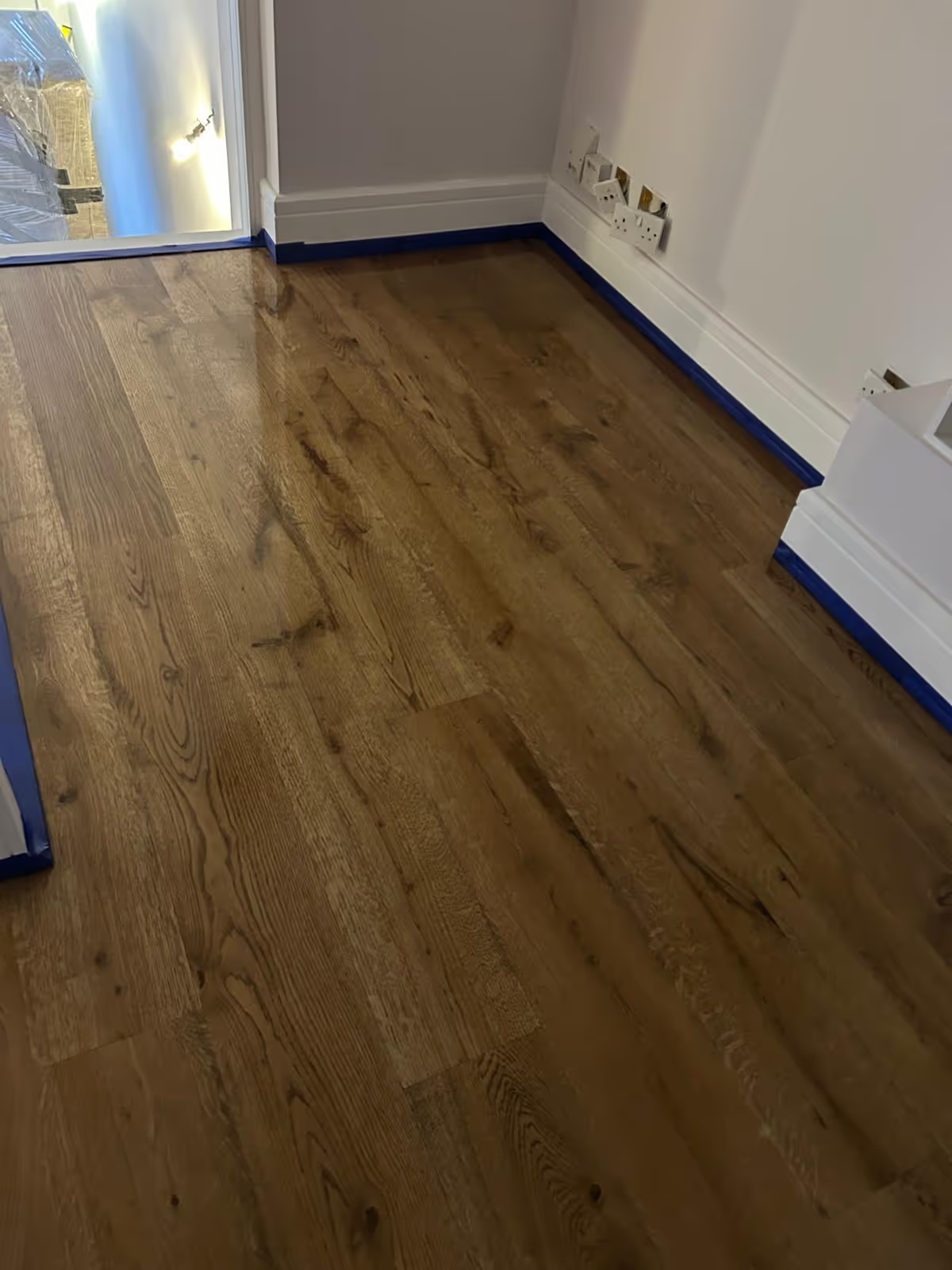
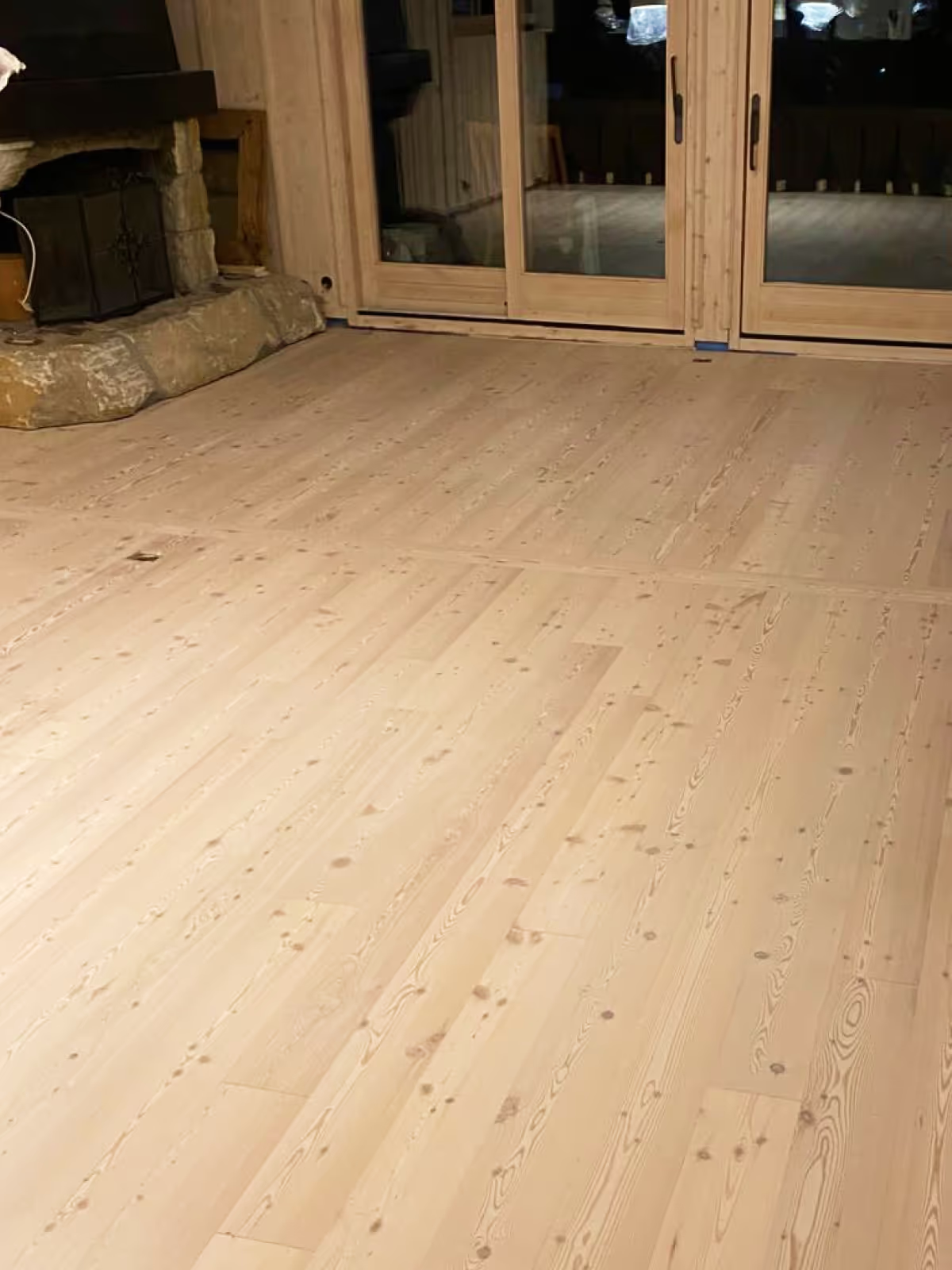
How I fit a plank floor
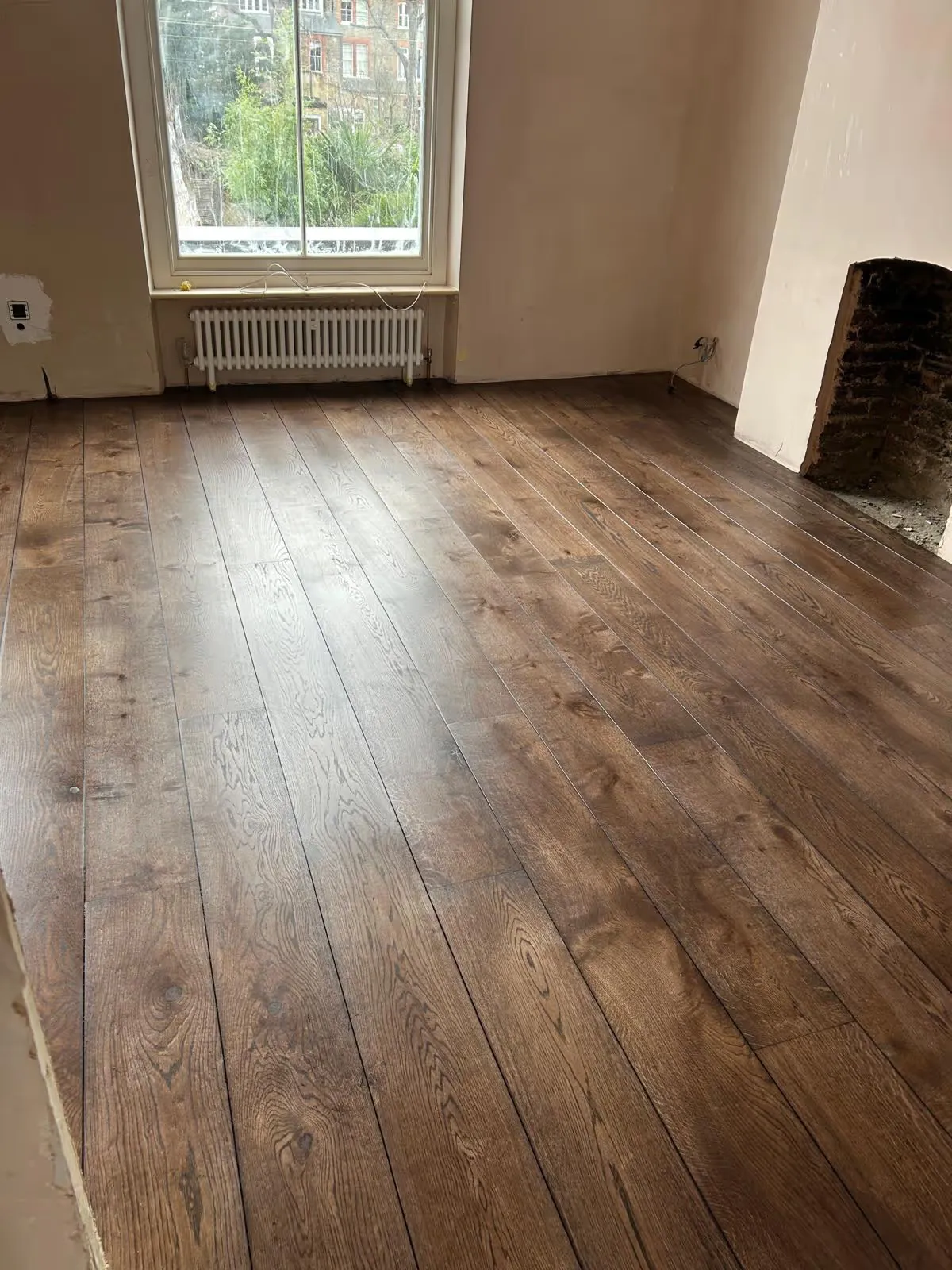
I check the subfloor, moisture and heating and help you choose board width, length, grade and finish.
Levelling, plywood or a moisture barrier where needed, plus undercutting doors and architraves.
Boards are glued down or floated on underlay, with staggered joints and expansion gaps hidden under skirting.
Thresholds, trims and – for raw boards – sanding and oiling or lacquering on site.
Plank floor options
– the right board depends on the room, the subfloor and how you live.
Solid oak boards
One piece of oak through its full thickness – can be sanded many times over its life.
Engineered oak boards
Real oak on a stable core – the best choice over underfloor heating and on concrete.
Wide planks
Extra-wide boards for a calm, open look with fewer joints.
Glued or floating
Glued for the most solid feel underfoot; floating on underlay where the subfloor or budget calls for it.
Character & finish
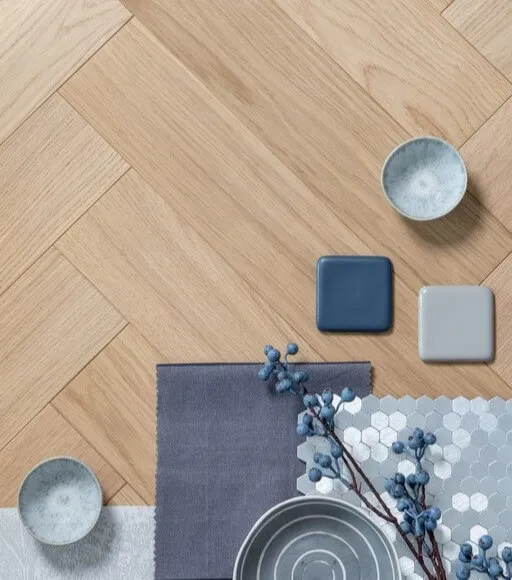
Clean or rustic grades, brushed textures, oiled, lacquered, smoked or stained.
Choosing boards that last
Width and length
Wider and longer boards make a room feel more spacious and give the grain room to show. In smaller rooms a medium width keeps the proportions right; in open-plan spaces extra-wide planks look calm and modern. Mixing widths gives a relaxed, reclaimed look.
The subfloor makes the floor
Most problems with wooden floors start underneath. Before I fit anything I check the subfloor for level, movement and moisture. Concrete may need a moisture barrier or levelling compound; old timber floors often need plywood to stop movement and squeaks.
Underfloor heating
Engineered oak is the safe choice over underfloor heating. It’s fully glued for good heat transfer, and its layered core keeps the boards stable as the temperature changes. I’ll also advise on the right start-up and humidity settings.
Finishes
- Oil and hardwax oil – natural, matt and easy to refresh in high-traffic areas.
- Lacquer – hard-wearing protection in matt, satin or gloss.
- Brushed, smoked and stained – texture and colour for a rustic, Nordic or dark contemporary look.
Frequently asked questions
Which is better – solid or engineered oak?
Both are real wood. Solid oak gives the longest life; engineered oak is more stable and is the right choice over underfloor heating or on concrete slabs.
Should my floor be glued down or floating?
Gluing gives the most solid, quiet feel and suits underfloor heating. Floating is quicker and works well on suitable subfloors. I’ll recommend the right method after checking your floor.
Can wood flooring go in a kitchen?
Yes – with a good lacquer or hardwax oil and sensible care, oak is a durable kitchen floor. Engineered boards are the most stable option.
Do you remove the old floor?
Yes. I can take up old flooring, prepare the subfloor and leave the room ready for the new boards.